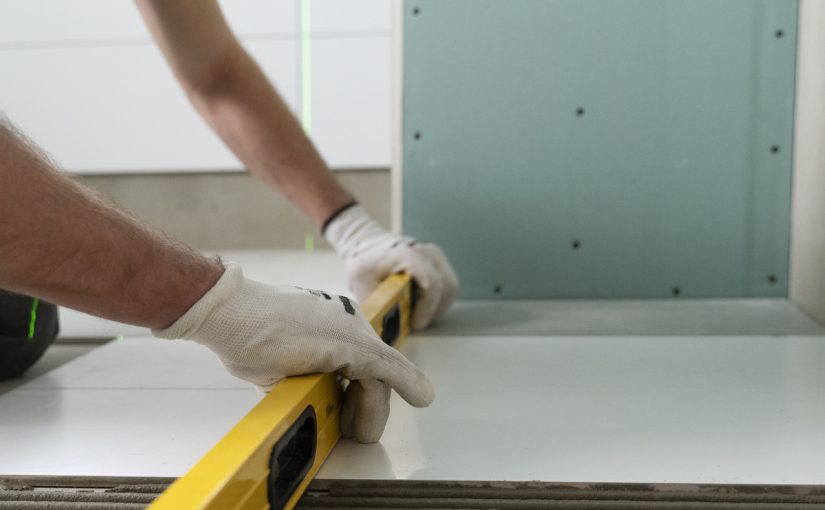
An HDB kitchen renovation is not just a design project. It is a technically regulated undertaking with strict rules around wall hacking, gas pipe concealment, and structural works. And while a beautiful 3D render from your contractor is a good start, it tells you very little about whether the team behind it can actually navigate HDB’s requirements without landing you in trouble.
Before any work begins, here are the questions you should be asking your kitchen renovation contractor.
Question 1: “Are you an HDB-licensed renovation contractor?”
It sounds like a basic question, but you would be surprised how many homeowners skip it.
Only contractors listed in HDB’s Directory of Renovation Contractors are legally permitted to carry out structural and wet works in an HDB flat. Ask for their registration number before the conversation goes any further.
Engaging an unlicensed contractor puts you at risk of fines up to S$5,000, plus the full cost of reinstating your flat out of your own pocket.
Question 2: “Do you handle the HDB hacking permits and structural assessments?”
Dreaming of an open-concept kitchen for your remodel? That usually means hacking walls, and not every wall can go. HDB requires prior written approval before any structural works begin, and your contractor needs to know the difference between a partition wall that can be removed and a load-bearing structure that absolutely cannot.
Make sure permit submissions and structural assessments are part of their service, not something they expect you to figure out on your own.
Question 3: “How will you manage the gas pipes and floor traps?”
This one catches a lot of homeowners off guard. HDB prohibits the permanent concealment of gas pipes and the covering of your kitchen’s main floor trap, and for good reason. These are safety requirements, not aesthetic guidelines.
A renovation contractor who knows their trade will work around them using ventilated cabinets or removable access panels that keep things looking neat without cutting corners on compliance. Vagueness here is a warning sign worth taking seriously.
Question 4: “Am I restricted to a package deal, or can I choose custom materials?”
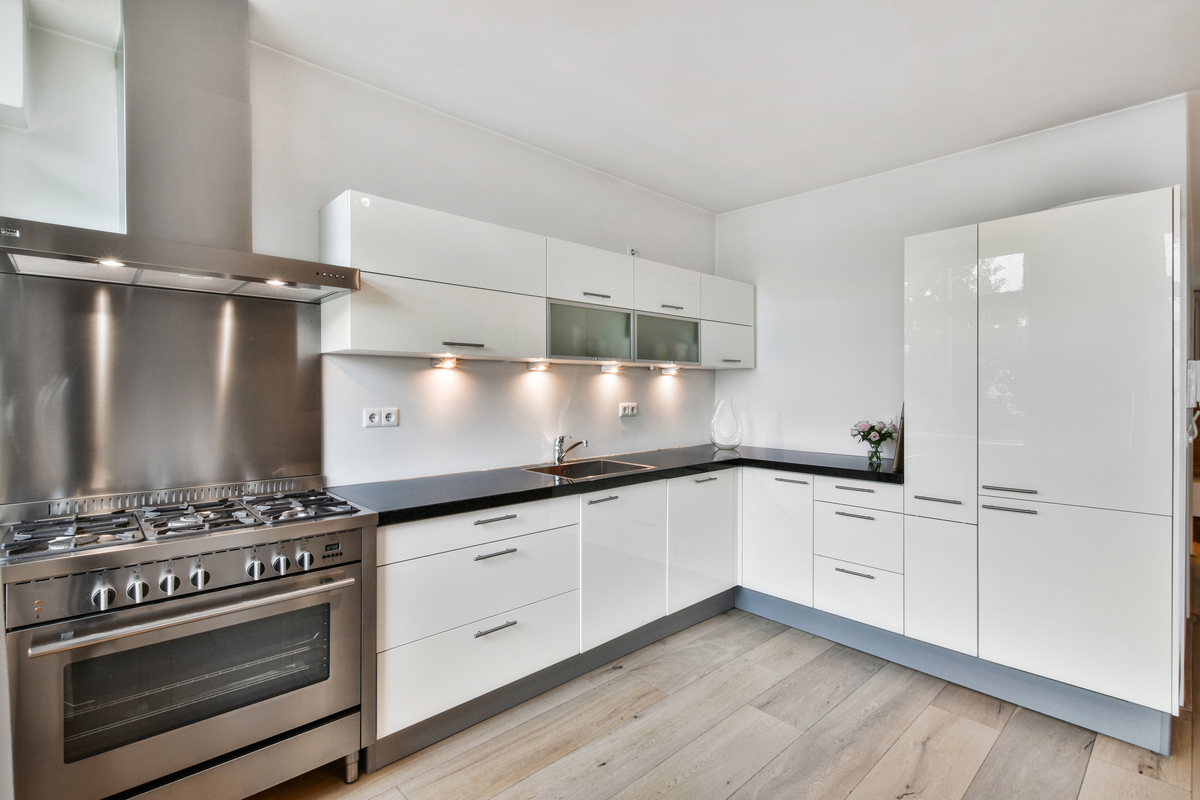
Affordable HDB kitchen renovation packages can look very attractive upfront, but they often come with strings attached. Many lock you into a limited range of basic laminates, standard tiles, and entry-level fittings.
If you have your heart set on sintered stone countertops or speciality cabinet finishes, or if you plan to source some fixtures yourself, find out early whether that flexibility exists and whether it comes with additional charges. It is far better to know now than to discover the limitations halfway through a signed contract.
Question 5: “Does this quote include haulage, debris clearing, and plumbing alterations?”
A quote by an HDB interior designer in Singapore that seems too good to be true often is, once you read the fine print.
Debris disposal, material haulage, and rerouting plumbing for a relocated sink are real costs that can add up quickly, and they do not always make it into the initial figure.
Before you sign anything, ask for a fully itemised breakdown of every trade involved. Variation orders issued after demolition has started are a much harder conversation to have.
Question 6: “What is your payment schedule, and is it tied to project milestones?”
A contractor asking for a large upfront deposit before a single material has been delivered or a single tool has touched your kitchen is a red flag.
A fair payment structure is progressive, tied to actual milestones: a modest deposit at signing, staged payments after hacking and carpentry installation, and a final amount released only after handover and any defects are cleared.
This arrangement keeps everyone accountable and gives you genuine leverage throughout the project.
Question 7: “What is the exact timeline, and do you manage your own carpenters?”
Most HDB kitchen renovations wrap up somewhere between three and six weeks. When projects drag on past that, outsourced carpentry is often the culprit.
When fabrication is handed off to a third-party workshop or an overseas factory, your contractor loses direct control over quality and turnaround times. At Speedy Decor, fabrication stays in-house. Our own carpentry workshop means we build to tighter specifications, respond faster when adjustments are needed, and give you a handover date that is grounded in reality rather than optimism.
Question 8: “How do you handle hidden defects, and what is your warranty period?”
Hacking an older HDB kitchen has a way of revealing problems that nobody anticipated: concealed water leaks, spalling concrete, uneven sub-flooring. These discoveries are not uncommon, but how your contractor handles them varies enormously.
Get clarity upfront on how unplanned rectification works are priced, and confirm the warranty period for both workmanship and custom carpentry. One to two years is a reasonable benchmark, and any reluctance to commit to one is worth noting.
Get Your Renovation Questions Answered with Speedy Decor
Asking your kitchen renovation contractor the right questions before work begins is the most effective way to protect yourself from hidden costs, regulatory headaches, and avoidable delays.
As a fully HDB-licensed interior design firm in Singapore, Speedy Decor handles everything from permit submissions to custom in-house carpentry, end-to-end. Contact us today to get your kitchen remodel started the right way.